- Ana Sayfa
- Stainless Steel Sheets
Stainless Steel Sheets
Stainless Steel Sheet & Plate – 304 / 316 / 430 and Other Grades
Stainless steel sheet and stainless steel plate are corrosion-resistant flat products used in applications where hygiene, durability, aesthetics and long-term performance are critical. Market names include stainless steel sheets, SS sheet, SS plate, stainless steel metal sheet, stainless sheet, stainless steel coil and sheet. HL Metal supplies a wide range of grades – 304 stainless steel sheet, 316 stainless steel sheet, 316L stainless steel sheet, 430 stainless steel sheet and others – in multiple finishes such as No.1, 2B, BA, No.4 brushed, mirror finish stainless steel sheet.
As a stainless steel sheets and plates supplier, HL Metal offers cut-to-size service, laser cutting and bending, as well as full coils and stock sheets for kitchen and fabrication, construction and industry, food processing equipment, decorative cladding and general engineering.
- What Is Stainless Steel Sheet & Plate?
- Stainless Steel Grades & Standards
- Mechanical Properties – 304 / 316 / 430 & Others
- Typical Chemical Composition of Stainless Steel Sheet
- Thickness, Sizes & Stainless Steel Sheet Weight Chart
- Surface Finishes – No.1 / 2B / BA / No.4 / Decorative
- Key Applications – Kitchen, Construction, Industry
- Cut-to-Size, Laser Cutting & Bending Services
- Best Stainless Steel Sheet Supplier – HL Metal
What Is Stainless Steel Sheet & Plate?
Stainless steel sheet is a flat-rolled product made from corrosion-resistant stainless steel grades, usually in thicknesses below 6 mm, while stainless steel plate generally refers to thicker sections above 6 mm. Together they are used in stainless steel sheet for kitchen and fabrication, stainless steel sheet for construction and industry, stainless steel sheet for food processing equipment, tanks, enclosures, machinery and architectural elements.
Depending on the process route, products are supplied as stainless steel cold rolled sheet (2B, BA, No.4 finishes) or stainless steel hot rolled sheet (No.1 finish). The combination of alloying elements such as chromium, nickel, molybdenum and others makes stainless steel a corrosion resistant steel sheet solution for demanding environments.
Typical trade names include AISI 304 sheet, AISI 316 sheet, 304 stainless steel sheet, 316 stainless steel sheet, 316L stainless steel sheet, 430 stainless steel sheet, stainless steel polished sheet, stainless steel matte sheet and various stainless steel decorative sheet variants.
Stainless Steel Grades & Standards
HL Metal offers a comprehensive range of stainless steel sheet stock and plates, including:
- EN 1.4301 / AISI 304 – 304 stainless steel sheet, the most common austenitic grade.
- EN 1.4307 / AISI 304L – Low-carbon 304L for improved weldability.
- EN 1.4401 / AISI 316 – 316 stainless steel sheet with Mo for enhanced corrosion resistance.
- EN 1.4404 / AISI 316L – 316L stainless with lower carbon for welded structures.
- EN 1.4016 / AISI 430 – 430 stainless steel sheet, a ferritic grade for decorative and mild environments.
- EN 1.4541 / AISI 321 – Stabilised stainless steel for high-temperature service.
- EN 1.4571 / AISI 316Ti – Titanium-stabilised version of 316 for elevated temperatures.
These grades can be supplied as stainless steel coil and sheet, or cut and levelled into sheets and plates according to project needs. HL Metal supports customers with grade selection based on corrosion environment, mechanical requirements and fabrication route.
Mechanical Properties – 304 / 316 / 430 & Other Grades
The table below shows indicative mechanical properties for commonly used stainless steel sheets and plates in the annealed condition. Actual values depend on product thickness and specific standard (EN / ASTM).
| Grade | EN / AISI | Typical Yield Strength Rp0.2 (MPa) | Typical Tensile Strength Rm (MPa) | Typical Elongation A (%) | Notes / Typical Use |
|---|---|---|---|---|---|
| 304 | EN 1.4301 / AISI 304 | ≈ 210 | ≈ 520–720 | ≈ 45–60 | Standard 304 stainless steel sheet for kitchen equipment, food industry, general fabrication and cladding. |
| 304L | EN 1.4307 / AISI 304L | ≈ 200 | ≈ 500–700 | ≈ 45–60 | Low carbon variant for improved weldability; popular as stainless steel sheet for construction and industry. |
| 316 | EN 1.4401 / AISI 316 | ≈ 220 | ≈ 530–720 | ≈ 40–60 | Molybdenum-bearing 316 stainless steel sheet for marine and chemical environments, excellent corrosion resistant steel sheet. |
| 316L | EN 1.4404 / AISI 316L | ≈ 200 | ≈ 520–710 | ≈ 40–60 | 316L stainless steel sheet for welded structures, tanks and piping, enhanced resistance to intergranular corrosion. |
| 430 | EN 1.4016 / AISI 430 | ≈ 230 | ≈ 430–620 | ≈ 22–30 | Ferritic 430 stainless steel sheet for decorative panels, interior cladding, appliances and moderate corrosion environments. |
| 321 | EN 1.4541 / AISI 321 | ≈ 220 | ≈ 520–720 | ≈ 40–55 | Titanium-stabilised stainless steel for higher temperatures, exhaust components and heat-resistant structures. |
Values are typical for solution-annealed stainless steel sheet and plate. For precise design data, please refer to the relevant EN / ASTM standards and HL Metal’s mill test certificates.
Typical Chemical Composition of Stainless Steel Sheet
The corrosion resistance and mechanical performance of stainless steel sheet depend on its alloying elements. Chromium creates a passive layer, while nickel, molybdenum and other additions further improve resistance to specific media. The table below shows indicative maximum or typical values.
| Grade | C (max. %) | Cr (%) | Ni (%) | Mo (%) | Key Features |
|---|---|---|---|---|---|
| 304 / 1.4301 | 0.07 | 17.5–19.5 | 8.0–10.5 | – | Standard austenitic stainless; good general corrosion resistance; typical stainless steel sheet EN 1.4301 / AISI 304. |
| 304L / 1.4307 | 0.03 | 17.5–19.5 | 8.0–10.5 | – | Low carbon version of 304; improved weldability and reduced sensitisation risk. |
| 316 / 1.4401 | 0.07 | 16.5–18.5 | 10.0–13.0 | 2.0–2.5 | Added Mo provides superior pitting and crevice resistance; excellent 316 stainless steel sheet corrosion resistance. |
| 316L / 1.4404 | 0.03 | 16.5–18.5 | 10.0–13.0 | 2.0–2.5 | Low carbon, molybdenum-bearing grade for welded constructions and aggressive media. |
| 430 / 1.4016 | 0.08 | 16.0–18.0 | ≤ 0.75 | – | Ferritic stainless without nickel; economical option for decorative and light-duty environments. |
For special grades (e.g. 321, 316Ti, duplex stainless steels) chemical composition and properties are available on request.
Thickness, Sizes & Stainless Steel Sheet Weight Chart
HL Metal maintains stainless steel sheet stock in standard stainless steel sheet sizes such as 1000×2000, 1250×2500 and 1500×3000 mm, in thicknesses from thin gauges up to plate range. The following table gives a simplified stainless steel sheet weight chart for density ≈ 8.0 g/cm³.
| Dimensions (mm) | Thickness (mm) | Approx. Weight per Sheet (kg) |
|---|---|---|
| 1000 × 2000 | 0.8 | ≈ 12.8 |
| 1000 × 2000 | 1.0 | ≈ 16.0 |
| 1000 × 2000 | 1.5 | ≈ 24.0 |
| 1000 × 2000 | 2.0 | ≈ 32.0 |
| 1000 × 2000 | 3.0 | ≈ 48.0 |
| 1250 × 2500 | 0.8 | ≈ 20.0 |
| 1250 × 2500 | 1.0 | ≈ 25.0 |
| 1250 × 2500 | 1.5 | ≈ 37.5 |
| 1250 × 2500 | 2.0 | ≈ 50.0 |
| 1250 × 2500 | 3.0 | ≈ 75.0 |
| 1500 × 3000 | 1.0 | ≈ 36.0 |
| 1500 × 3000 | 1.5 | ≈ 54.0 |
| 1500 × 3000 | 2.0 | ≈ 72.0 |
| 1500 × 3000 | 3.0 | ≈ 108.0 |
| 1500 × 3000 | 5.0 | ≈ 180.0 |
For detailed project calculations, you can use HL Metal’s online steel weight calculator . Other dimensions and thicknesses are available on request, including custom cut-to-size options.
Surface Finishes – No.1 / 2B / BA / No.4 / Decorative
Stainless steel sheets and plates are supplied in a variety of finishes to suit different applications and aesthetics:
- Stainless steel sheet No.1 finish: hot rolled, annealed and pickled; typical for structural and industrial plate applications.
- Stainless steel sheet 2B finish: cold rolled, annealed and skin-passed; the most common stainless steel cold rolled sheet finish for general use.
- BA (Bright Annealed) finish: highly reflective, smooth surface; used in stainless steel polished sheet and decorative applications.
- Brushed stainless steel sheet (No.4 finish): directional satin finish for modern kitchen, façade and equipment surfaces.
- Mirror finish stainless steel sheet: super-polished surface for high-end decorative cladding, elevators and signage.
- Stainless steel matte sheet & stainless steel decorative sheet: patterned, embossed or textured variants for architectural and design projects.
Key Applications – Kitchen, Construction, Industry
Thanks to their combination of aesthetics, hygiene and durability, stainless steel sheets and plates are widely used in:
- Stainless steel sheet for kitchen and fabrication: worktops, sinks, splashbacks, cabinets, catering equipment and food preparation surfaces.
- Stainless steel sheet for food processing equipment: tanks, piping, conveyors, mixers, enclosures and hygienic cladding, often in 304 stainless steel sheet or 316 stainless steel sheet depending on chemicals and temperature.
- Stainless steel sheet for construction and industry: façades, handrails, cladding, stair components, structural elements and machine housings.
- Stainless steel sheet for laser cutting: precision-cut parts for machinery, panels, perforated designs and decorative screens.
- Stainless steel sheets and plates supplier for OEMs: regular deliveries to fabrication shops, equipment manufacturers and engineering companies.
Cut-to-Size, Laser Cutting & Bending Services
In addition to supplying standard sheets and plates, HL Metal provides a full range of stainless steel sheet cutting and bending services:
- Stainless steel sheet cut-to-size service: sheets cut from coil or plate to the exact dimensions required, reducing waste and handling.
- Laser cutting for stainless steel sheet: precision cutting of complex geometries with clean edges and minimal heat-affected zones – ideal for visible parts and high-precision components.
- CNC bending / press brake: profiles, brackets, channels and formed parts produced directly from stainless steel cold rolled sheet or plate.
- Edge deburring and surface finishing: optional post-processing such as deburring, brushing or film protection for aesthetic surfaces.
These value-added services enable HL Metal to deliver not only raw stainless steel sheet stock but also ready-to-assemble components tailored to customer drawings.
Best Stainless Steel Sheet & Plate Supplier – HL Metal
As a stainless steel sheet supplier and service centre, HL Metal supports customers with:
- Competitive stainless steel sheet price and stainless steel plate price options for both stock and project-based deliveries.
- Up-to-date 304/316 stainless steel sheet price list and customised quotations based on grade, thickness and volume.
- Flexible logistics for stainless steel sheet wholesale, mixed loads and export shipments.
- Technical support on grade selection – from 304 stainless steel sheet properties to advanced 316 stainless steel sheet corrosion resistance.
Whether you require a single pallet of SS sheet or a long-term supply of stainless steel coil and sheet for serial production, HL Metal can provide a tailored solution covering material, processing and logistics.
Request Your Stainless Steel Sheet & Plate Offer
Share your required grade (304 / 304L / 316 / 316L / 430 or others), thickness range, sheet sizes or coil widths, finish (2B, BA, No.4, mirror, decorative) and delivery terms. Our team will prepare a detailed proposal including stainless steel sheet price per ton, lead times and service options.
Complementary Stainless Steel Products from HL Metal
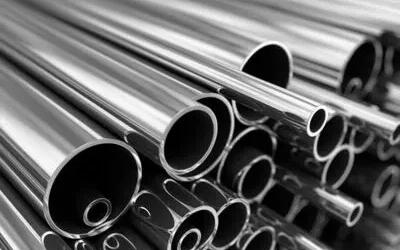
Extend your stainless steel sheet and plate projects with matching pipes, hollow sections and bars. HL Metal supplies a complete stainless steel range for structural frames, process lines, architectural details and precision fabrication.
Stainless Steel Pipes
From hygienic process lines to structural handrails, HL Metal’s stainless steel pipes combine excellent corrosion resistance with precise dimensional control. Available in a wide range of diameters, wall thicknesses and grades such as 304 / 304L / 316 / 316L, our pipe portfolio covers food, chemical, pharmaceutical and architectural applications alike.
Stainless Steel Hollow Sections
For clean, rigid and visually appealing frameworks, our stainless steel hollow sections (square and rectangular box profiles) offer high stiffness-to-weight ratio with a refined appearance. Ideal for façades, balustrades, support frames and hygienic structures where both strength and design matter.
Stainless Steel Bars & Rods
HL Metal supplies stainless steel bars in round, square and flat forms for machining, turned components, shafts, fasteners and precision parts. With popular grades like 304, 316 and 430 in stock, we support both high-volume OEM production and customised small-batch requirements.
Combine Stainless Sheets, Pipes, Profiles & Bars in One Shipment
Optimise your stainless steel supply chain by consolidating sheets, pipes, hollow sections and bars in a single export package. Share your material list, grades, lengths and preferred Incoterms – HL Metal will prepare a coordinated offer including pricing, lead time and loading plan.
Value-Added Processing & Surface Protection for Hot Rolled Steel
Turn your hot rolled steel sheets and plates into finished, ready-to-assemble components. HL Metal combines advanced cutting, forming and protective coating services to support your fabrication process from raw material to final part.
CNC Laser Cutting
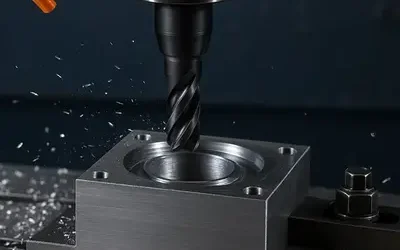
Achieve clean edges, tight tolerances and complex geometries with our CNC laser cutting service. From thin-gauge sheet metal to structural plate, our high-performance laser systems deliver precision parts with minimal burrs and reduced finishing work.
CNC Plasma Cutting
For thicker plates and heavy-duty sections, our CNC plasma cutting provides robust and economical cutting performance. Ideal for structural fabrication, machinery frames and industrial steelwork where productivity and reliability are key.
Laser Cutting for Tube & Hollow Section
Customise circular, square and rectangular hollow sections with high-precision laser cutting. We produce slots, holes, mitre cuts and complex contours directly on tubes and hollow sections, reducing welding time and simplifying assembly for structural and architectural projects.
Press Brake Bending
Transform flat hot rolled steel sheets into channels, brackets and complex profiles with our CNC press brake bending. High-tonnage, multi-axis machines ensure consistent angles, repeatable bends and accurate parts ready for welding or bolting.
Sandblasting, Coating & Shop Primer
Prepare your steel surfaces for long-term performance with professional sandblasting, coating and shop primer application. We remove mill scale and rust, create a controlled surface profile and apply shop primer systems that protect your plates and profiles during fabrication, transport and installation.
Cut-to-Length from Coil
Optimise your supply chain with cut-to-length from coil. We uncoil, level and cut hot rolled, cold rolled and galvanized coils into precise sheet lengths, helping you reduce on-site cutting, handling time and scrap while keeping sheet flatness under tight control.
Discuss Your Project with HL Metal
Need a combined package of hot rolled steel sheet and plate with cutting, bending, blasting, coating or cut-to-length from coil? Share your drawings, material grades and delivery terms — our team will prepare a tailored proposal for your project.
Stainless Steel Families and Properties
A technical overview of ferritic, martensitic, austenitic, duplex and precipitation-hardening stainless steels, their alloy compositions, key characteristics and typical application areas.
Ferritic Stainless Steels
Ferritic grades contain low carbon and approximately 12–18% chromium. They provide moderate corrosion resistance and cannot be hardened by conventional heat treatment; they are used in the annealed condition only.
These alloys exhibit limited weldability and are not easily formable compared with austenitic grades. They are typically selected where a balance of cost and corrosion performance is required.
Typical applications:
- Kitchen utensils and domestic appliances
- Decorative components
- Hot water tanks and heaters
- Automotive chassis parts
- Exhaust system components
Martensitic Stainless Steels
When alloys with more than ~0.1% carbon are heated to around 950–1050 °C and quenched, the microstructure transforms to martensite. These grades offer high strength and hardness but also increased brittleness.
Depending on the product and end use, martensitic grades are supplied in the annealed or quenched-and-tempered condition. They provide moderate resistance to corrosion and are generally magnetic, with limited weldability.
Typical applications:
- Cutlery and industrial blades
- Surgical and medical instruments
- Shafts, pins and mechanical components
Austenitic Stainless Steels
Austenitic grades are obtained by adding nickel so that the material retains an austenitic microstructure even at room temperature. A typical composition is about 18% chromium and 8% nickel.
They provide an excellent combination of formability, mechanical performance and corrosion resistance. Ductility, toughness and forming characteristics remain high even at low temperatures. Austenitic grades are normally non-magnetic and their mechanical strength can be enhanced by cold working.
These alloys account for roughly 70% of global stainless production. The 300-series belongs to this family, with grade 304 being the most widely used. It offers outstanding low-temperature mechanical properties.
Typical applications:
- General machinery and fabrication
- Elevators and architectural cladding
- Kitchenware, sinks and catering equipment
- Food-processing equipment and piping
- Chemical plants and associated equipment
- Springs and precision components, such as keyboard mechanisms
Duplex (Ferritic–Austenitic) Stainless Steels
Duplex alloys combine the key advantages of both ferritic and austenitic structures, offering high strength, hardness and toughness in a single material.
They typically contain high chromium (18–28%), moderate nickel (4.5–8%) and around 2.5–4% molybdenum. The relatively low nickel content improves cost stability while maintaining excellent corrosion resistance, particularly in chloride-containing environments.
Duplex grades allow high-quality professional welding when the correct procedures are followed and are especially attractive in demanding industrial environments.
Typical applications:
- Chemical and petrochemical equipment
- Water and wastewater treatment plants
- Marine and offshore structures
- Pulp and paper industry components
Precipitation-Hardening Stainless Steels
Precipitation-hardening grades may exhibit austenitic, semi-austenitic or martensitic structures. To achieve the desired hardening effect, they are alloyed with elements such as aluminium, titanium, niobium and copper, sometimes in combination with prior cold working.
Through controlled ageing treatments, these materials can reach strength levels of up to approximately 1700 MPa. They are often supplied in the solution-annealed, relatively soft condition to facilitate machining and forming before the final ageing step.
Typical applications:
- Pump shafts and valve stems
- High-performance mechanical components
- Aerospace and energy sector parts
The choice between ferritic, martensitic, austenitic, duplex or precipitation-hardening grades depends on the required balance of corrosion resistance, mechanical strength, toughness, weldability and cost.
Stainless steel is a widely used material known for its exceptional durability, corrosion resistance, and sleek appearance. Containing alloying elements such as chromium and nickel, it offers long-term performance even in harsh environmental conditions. Industries such as food processing, automotive, marine, medical, and construction rely heavily on stainless steel components for both functional and aesthetic purposes.
In hygienic environments like hospitals, laboratories, and food production facilities, stainless steel is the preferred choice due to its non-porous surface, which resists bacteria and is easy to clean. Its attractive look also makes it suitable for architectural applications, including wall panels, ceilings, and decorative installations.
Various surface finishes are available, including brushed, mirror, matte, and patterned options. This diversity allows manufacturers and designers to find tailored solutions for every type of project. In addition, the material performs well under high temperatures and exposure to aggressive chemicals, making it a trusted component in industrial equipment and heat-resistant systems.
Thanks to its strength-to-weight ratio and long service life, stainless steel helps reduce maintenance costs over time. It is also an environmentally friendly material, being 100% recyclable without loss of quality. Modern production techniques allow for precise customization, including cutting, bending, and surface treatment, to meet exact specifications.
Overall, stainless steel remains a reliable and sustainable choice for engineers, architects, and fabricators who seek performance, safety, and long-lasting quality in their projects.
Applications of Stainless Steel Products
In the food processing industry, material selection plays a critical role in ensuring hygiene, safety, and operational efficiency. Stainless steel is widely regarded as the most suitable material for environments where cleanliness and corrosion resistance are non-negotiable. Its smooth, non-porous surface prevents the buildup of bacteria, making it ideal for equipment such as counters, conveyor systems, storage tanks, and mixing vessels.
One of the key advantages of stainless steel in food facilities is its ability to withstand frequent exposure to moisture, steam, high temperatures, and aggressive cleaning agents. Unlike traditional metals, it does not rust, crack, or degrade under demanding sanitation routines, which are essential to maintain food safety compliance.
Its mechanical strength allows it to support heavy loads and endure continuous use in automated production lines. Additionally, the material’s compatibility with welding and forming processes ensures that seamless and hygienic designs can be achieved—free of crevices that may trap contaminants.
Various surface finishes, such as satin or mirror polish, can be selected depending on the specific application, whether aesthetic appeal, ease of cleaning, or resistance to staining is the priority. The ability to customize dimensions, thicknesses, and configurations makes stainless steel a versatile solution across food-grade applications.
Environmentally speaking, it’s a smart long-term investment. It is fully recyclable, reducing the environmental footprint of food manufacturing operations. For any facility aiming for HACCP, ISO, or FDA compliance, stainless steel remains the gold standard in performance and reliability.
Stainless Steel Products Usage by Industry
Stainless steel is one of the most versatile materials used across global industries. Thanks to its excellent corrosion resistance, durability, and hygiene properties, stainless steel products support countless applications from heavy industry to household goods. Below is an industry-specific guide to the most common uses and suitable stainless steel solutions.
Construction & Architecture
Applications:
Building facades
Handrails and guardrails
Wall cladding panels
Doors, frames, and elevators
Interior decorative features
Recommended Products:
Decorative Stainless Sheets (Mirror, Brushed, Embossed)
Stainless Steel Tubes and Pipes (for railings and structures)
Custom Laser-Cut Panels
Stainless Steel Fasteners and Anchors
Why Stainless Steel?
It offers a modern appearance, long service life, and weather resistance, reducing maintenance costs in both residential and commercial buildings.
Food and Beverage Industry
Applications:
Food processing equipment
Tanks and storage vessels
Conveyor systems
Worktables and shelves
Kitchen-grade sinks and surfaces
Recommended Products:
304 Stainless Steel Sheets (food grade)
Stainless Steel Tubing
Custom Cut Stainless Steel Panels
Perforated Stainless Sheets (for filtration & ventilation)
Why Stainless Steel?
Stainless steel is non-reactive, easy to clean, and bacteria-resistant. It complies with international food hygiene regulations (FDA, EU standards, HACCP).
Medical and Pharmaceutical
Applications:
Surgical instruments
Trolleys and cabinets
Cleanroom walls
Sterile workstations
Hospital beds and trays
Recommended Products:
Polished Stainless Steel
Thin Stainless Steel
Custom Fabricated Medical Components
316L Stainless Steel (for high purity environments)
Why Stainless Steel?
It supports sterility and hygiene while resisting corrosion from disinfectants, acids, and cleaning agents.
Marine and Offshore Industry
Applications:
Ship hulls and decks
Railings and ladders
Mooring and anchor systems
Offshore platforms
Subsea components
Recommended Products:
316 Stainless Steel Pipes and Tubes
Marine-Grade Fasteners and Hardware
Saltwater-Resistant Stainless Sheets
Why Stainless Steel?
Especially in chloride-rich environments, stainless steel resists rust, pitting, and stress corrosion cracking.
Automotive & Transportation
Applications:
Exhaust systems
Fuel tanks
Bus and train interiors
Structural supports
Decorative trims
Recommended Products:
High Strength Stainless Steel Coils
Custom Profiled Stainless Parts
Why Stainless Steel?
It provides excellent strength-to-weight ratio, corrosion resistance, and longevity under extreme conditions.
Energy, Oil & Gas, and Petrochemical
Applications:
Refineries and power plants
Pipelines and pressure vessels
Heat exchangers
Offshore drilling units
LNG and gas storage tanks
Recommended Products:
Duplex Stainless Steel Plates
Seamless Stainless Steel Pipes
High-Pressure Stainless Flanges and Fittings
Why Stainless Steel?
Chosen for its high temperature tolerance and resistance to acids, chemicals, and stress-related cracking.
Household & Consumer Goods
Applications:
Kitchen appliances
Cookware and utensils
Cutlery and sinks
Furniture components
Bathroom accessories
Recommended Products:
Decorative & Brushed Stainless Steel
Stamped and Molded Stainless Steel Items
Thin Stainless Steel Rolls for domestic appliances
Why Stainless Steel?
Combines beauty with function. It’s easy to clean, fingerprint-resistant, and adds a modern look to home design.
Bonus: Agriculture & Environmental Equipment
Applications:
Dairy and meat processing plants
Irrigation systems
Composting units
Water treatment systems
Recommended Products:
Welded Stainless Steel Pipes
Resistant Stainless Tanks & Valves
Steel Sheet Metal
Steel Sheet metal plays an indispensable role in countless industries, from automotive to aerospace, construction to electronics, and household goods to industrial machinery. As thin, flat metal pieces formed through rolling or pressing, sheet metal provides an adaptable, versatile, and highly efficient material for manufacturing complex products at scale. At its core, steel metal sheets refers to metal that has been processed into thin, flat sheets. The thickness typically ranges from 0.15 mm to 6 mm, depending on the material and application. Thinner sheets (below 0.15 mm) are classified as foil or leaf, while thicker pieces (over 6 mm) are often called plates.